2026 Mood Tracker Canva Template: Your Toolkit for Emotional Clarity
Beyond Basic Journals: A System for Self-Awareness
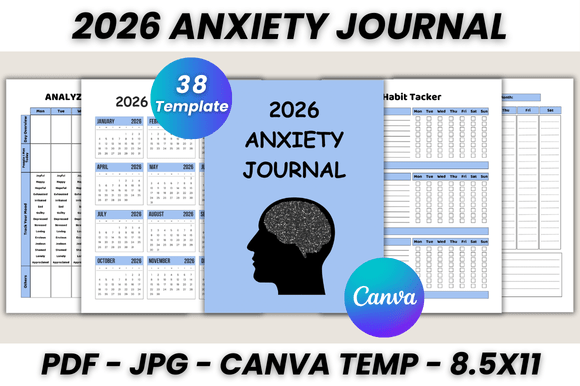
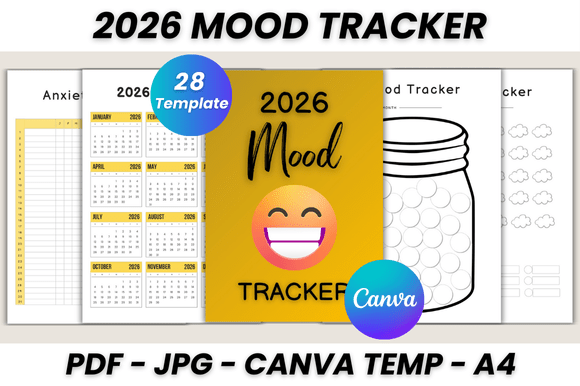
For anyone who has ever tried to understand their own emotional patterns, the process can often feel abstract. You might remember feeling "off" last Tuesday, but the specifics fade. A dedicated 2026 Mood Tracker Canva Template transforms this vague recollection into a tangible, visual record. This is not just a set of pretty pages; it's a structured system designed for clarity. The template bundle includes 28 printable pages, moving far beyond a simple calendar. It provides a comprehensive framework with dedicated sections for tracking moods, stress, and anxiety, alongside monthly planners and important notes. The visual style is clean, modern, and intentionally minimalist, ensuring the focus remains on your data and reflections, not on distracting design elements. It’s a practical tool built with the understanding that effective self-tracking requires both structure and simplicity.
Anatomy of a Practical Design Asset
The true value of a well-constructed 2026 Mood Tracker Canva Template lies in its components working in harmony. The inclusion of a full 2026 Calendar and a Monthly Planner (January - December) provides essential context. You can correlate your mood shifts with upcoming deadlines, events, or seasonal changes. The core tracking pages are thoughtfully diversified: six different mood tracker layouts allow you to choose a format that resonates with you, whether it's a color-coded grid, a rating scale, or a simple checklist. The Today I Felt page offers space for qualitative notes, while the dedicated Stress Tracker and Anxiety Tracker provide targeted tools for monitoring specific emotional states that often underpin general mood. This segmentation is a key design principle—it prevents information overload and makes daily use more manageable. The Belongs To page personalizes the journal, and the various Notes sections (Important Notes, My Notes, Notes) offer flexible space for context, gratitude, or goal-setting. This structure mirrors effective editorial design, where content is organized for optimal user flow and comprehension.
Customization as a Gateway to Consistency
A static, pre-printed journal might not align with your personal or professional brand. This is where the editable nature of the 2026 Mood Tracker Canva Template becomes its greatest strength. Using a free Canva account, you can adjust every visual element. This is crucial for maintaining brand identity if you're a content creator or entrepreneur. Imagine aligning your personal wellness tracker with your business's color palette for a cohesive visual language across your planning materials. You can modify font sizes for better readability, change the color scheme to suit your aesthetic, or even add a personal logo to the Belongs To page. This level of customization encourages consistent use because the final product feels authentically yours. It’s an exercise in modern typography and layout, allowing you to apply principles of visual hierarchy to your own data, making patterns easier to spot at a glance. The ability to resize the A4 pages means you can create both a desktop planner and a condensed version for a digital tablet, ensuring your system is always accessible.
Integrating Emotional Awareness into Creative and Professional Work
For designers, marketers, and small business owners, emotional awareness is not a soft skill—it's a strategic asset. The data gathered from a tool like the 2026 Mood Tracker Canva Template can directly influence work output and decision-making. A graphic designer might notice a correlation between high-stress days and less innovative work, prompting a restructuring of their project timeline. A blogger or content creator can track the emotional tone that generates the most engagement, refining their voice over time. The template’s clean aesthetic also makes it suitable for those in creative fields who are sensitive to design quality. It avoids the garish colors and overly whimsical graphics that can feel unprofessional, instead offering a neutral canvas that respects the user's intelligence. Using it can be a practice in brand perception—how you present your personal data to yourself can influence your professional self-image. The included JPG bonus files offer a quick way to share anonymized, aesthetically pleasing progress updates on social media, blending personal growth with social media graphics strategy.
Making the Most of Your 2026 Tracking System
To leverage this template effectively, begin by downloading the PDF with the Canva link after purchase. Duplicate the file within Canva to preserve the original template. Start by customizing the Belongs To page and the color scheme to establish ownership. Don't feel pressured to use every single page from the outset. Perhaps begin with the 2026 Calendar for an overview and one Mood Tracker page. As the habit forms, incorporate the Stress Tracker during particularly demanding periods. The goal is sustainable use, not perfect completion. Print the pages for a tactile experience that can enhance mindfulness, or keep them digital for quick access. Consider using the Important Notes section for major life events, and the My Notes for reflections on patterns you observe. This approach turns the template from a passive record into an active tool for personal development and professional insight, grounding abstract feelings in concrete, reviewable data. It’s a practical application of design assets