Design a Notebook Cover That Truly Reflects You
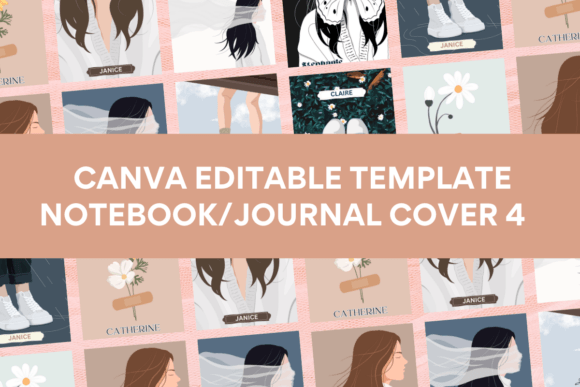
That blank cover staring back at you can be intimidating. You have a fresh notebook, ready for brilliant ideas, detailed plans, or daily journaling, but the exterior feels generic. It doesn't capture the energy of what's inside or the personality of its owner. This is where a thoughtful design tool changes everything. A well-crafted Canva Template Notebook Cover is more than just a pretty picture; it's a strategic starting point. It provides a professional visual framework that you can adapt, ensuring your notebook's exterior is as intentional and organized as the content you'll create within its pages.
Understanding the Design Foundation
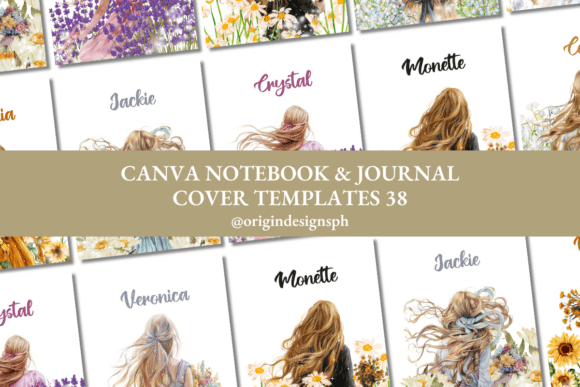
A quality Canva Template Notebook Cover operates on principles of modern typography and balanced composition. It’s not a single static image but a dynamic, editable file. The visual characteristics often include a harmonious blend of font pairing—perhaps a bold display font for the title paired with a clean sans serif font for subtitles. The personality can range from minimalist and professional to whimsical and artistic, depending on the chosen design assets. These might include subtle textures, geometric patterns, or hand-drawn illustrations that add depth without overwhelming the text.
The overall appeal lies in its flexibility and built-in design logic. A template provides a tested visual hierarchy, guiding the viewer's eye from the main title to supporting details. This is crucial for brand identity work, even on a personal scale. Using a template ensures consistent margins, appropriate readability at various sizes, and a color palette that works. It’s a practical application of design theory, giving you a professional result without requiring you to be a professional designer. The style is fundamentally user-centric, designed to be customized in a tool like Canva, making high-end editorial design accessible for everyday projects.
Strategic Applications Across Projects
The utility of a versatile Canva Template Notebook Cover extends far beyond personal use. For small business owners and entrepreneurs, it’s a rapid prototyping tool. Imagine designing a branded notebook for a client gift or a workshop giveaway. A template allows you to quickly integrate your logo design, brand colors, and specific typeface choices, creating a cohesive brand identity piece that feels custom-made. This is invaluable for print business owners who need to mock up products for clients or create sample portfolios.
In the realms of marketing and content creation, these templates are gold. A blogger can design a series of thematic notebooks to sell or use as lead magnets. A social media manager can create visually consistent social media graphics showcasing notebook designs that align with a campaign's aesthetic. The process is efficient: choose a template, swap in your colors and fonts, add your graphics, and you have a professional asset ready for digital promotion or print production. It’s a perfect example of using design assets to streamline workflow while maintaining high-quality output.
For personal projects, the value is equally strong. Students can create covers that organize subjects by color and style. Writers can design notebooks for different genres they're exploring. Crafters and hobbyists can produce beautiful, personalized journals for themselves or as gifts. The ability to use a premium font or a charming script font included in a template adds a layer of sophistication that elevates the entire object from a simple notebook to a cherished item.
Practical Guidance for Selection and Use
Choosing the right template requires a discerning eye. Start by evaluating the project's fit. Is this for a corporate environment or a creative studio? Look for templates that offer styles aligning with your goal—professional, playful, elegant, or rustic. Pay close attention to the font pairing offered. A strong pairing enhances readability and establishes clear visual hierarchy. Test it by imagining your own text replacing the placeholder content. Does it still flow well?
Always review the included styles and elements. A good template pack might offer variations—a main cover, a back cover, and interior page designs for a cohesive look. Check the licensing. For any commercial use, such as selling the printed notebooks, ensure the template and its components (especially any commercial font or illustration) are cleared for that purpose. This is a critical step often overlooked by beginners.
When customizing, think about readability considerations for the final product. A beautiful handwritten font might look stunning on screen but could be difficult to read at a distance or when printed small. Balance decorative elements with functional text. Use the template's structure as your guide—it’s there to help you avoid common design pitfalls. Finally, don't be afraid to experiment. Change the color palette, swap one serif font for another, or adjust the layout of graphics. The goal is to use the template as a foundation, not a cage, to create a notebook cover that is uniquely and effectively yours.